
Thanksgiving Kitchen Fire Safety—And What to Do If a Holiday Cooking Mishap Leaves Smoke Behind
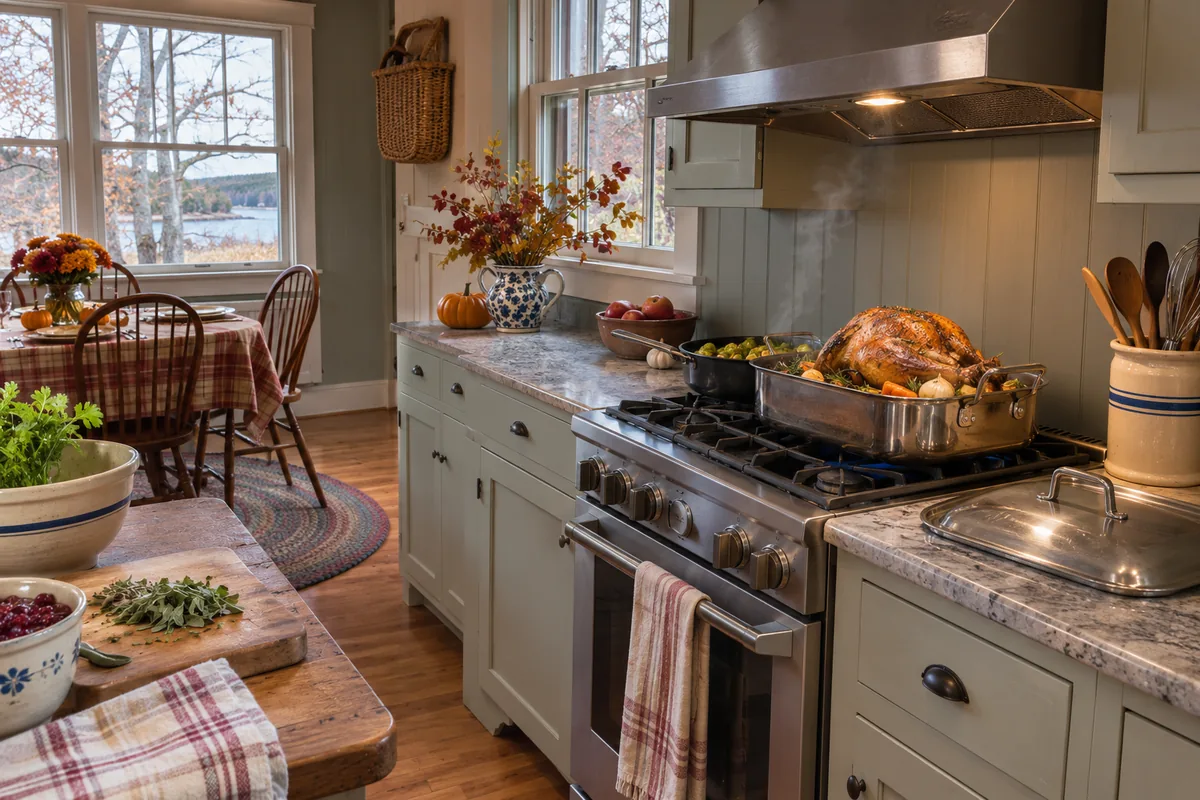
Thanksgiving kitchen fire safety starts with staying near the stove, keeping combustibles away from heat, and knowing when to leave and call 911. Once everyone is safe and the fire is out, call (207) 989-4697 for help with lingering smoke odor or soot. Penobscot Cleaning Services provides smoke, fire, and soot restoration for homes in Brewer, Bangor, and coastal Maine.
According to the National Fire Protection Association's Thanksgiving guidance, Thanksgiving is the peak day for home cooking fires. A crowded kitchen makes distractions easy: someone needs a serving dish, the doorbell rings, and a hot pan gets forgotten. Decide who is watching the cooking before guests arrive.
A Five-Minute Pre-Cooking Safety Check
Do this check before the first pan goes on the stove. Give any alarm or appliance problem attention before you start cooking.
Test alarms and clear the stove zone: about two minutes
- Test smoke alarms according to their instructions. Replace batteries or expired units as required.
- Move towels, oven mitts, paper packaging, and other combustibles away from burners.
- Keep the route out of the kitchen clear of bags, chairs, and visiting pets.
Keep alarms working throughout the gathering. If cooking triggers one, check the source of smoke and correct it once it is safe.
Put a fitted lid nearby: about one minute
Have a lid that fits the pan within reach before heating oil. For a small, contained pan fire, slide the lid over the pan and turn off the heat only if you can do so safely. Leave it covered until cool. Never add water or carry a burning pan outdoors.
For an oven fire, turn off the heat and keep the door closed. These steps follow NFPA cooking safety guidance. If you are unsure, the fire spreads, or smoke blocks your view or escape, get everyone out, close the door behind you, and call 911 from outside. Do not delay evacuation to save dinner.
Assign cooking duty: about one minute
Stay in the kitchen during stovetop cooking. If you must leave, turn off the burner or hand responsibility to another attentive adult. Use timers for roasting and remain home while the oven is on.
Make space for children and pets: about one minute
Keep children and pets at least three feet from the cooking area. Turn pot handles inward and arrange serving dishes away from hot surfaces. A separate drink station can keep visitors out of the cook's path.
Pro tip: Set up drinks, snacks, and extra napkins outside the cooking area. Guests can help themselves while you keep your attention on hot pans. For the turkey, choose oven roasting or another method that avoids a large pot of hot oil.
After the Smoke Clears: Safety Before Cleaning
Following an actual fire, wait for fire officials to say it is safe to enter. Do not restart damaged cooking equipment or touch wet electrical appliances. Ask fire officials which rooms and appliances you can safely use while you arrange cleanup.
For a minor scorched-food incident with no continuing fire or electrical concern, remove the cooled food source and ventilate when weather and conditions allow. Avoid running fans that move residue into unaffected rooms. Follow professional advice about shutting down a contaminated heating system; do not sacrifice safe winter heating without a plan.
On sound, washable kitchen surfaces, test a small hidden area before using a cleaner recommended for that material. Do not mix cleaning products. Leave soot-covered walls, unfinished wood, delicate finishes, and fabrics alone until their cleaning needs are assessed.
Why Burnt Food Odors Can Linger
Burnt meat and cooking grease can leave sticky residues even when there is little visible black soot. Odor may remain in cabinets, curtains, upholstery, and other affected materials after the room has aired out. Removing the residue is the way to address the lingering smell.
Look at the rooms adjoining the kitchen as well as the stove area. Smoke can reach open cabinets and nearby fabrics. Keep soot-covered paint dry and untouched until it is assessed, and arrange cleaning before repainting. Our guide to soot and furnace warning signs explains why black deposits deserve investigation rather than cosmetic treatment alone.
When to Call a Professional
Arrange an assessment after a fire or when you notice:
- Smoke odor that persists after the cooled source is removed.
- Greasy film, discolored cabinets, or soot on walls and ceilings.
- Residue beyond the kitchen or around heating registers.
- Smoke-affected furnishings or uncertainty about safe cleaning.
Ask for help as soon as the home is safe. Call (207) 989-4697 for 24/7/365 emergency response. Call 911 first for an active fire or immediate danger.
What a Professional Smoke Cleanup May Include
The first step is assessing the affected materials and the extent of residue. Work may include specialized surface cleaning, contents cleaning, and HVAC cleaning when the system is contaminated. Tell the assessor where the smell is strongest and which doors were open during the incident. Those details help trace smoke travel and choose the work.
Professional deodorization and thermo-fogging may be appropriate after cleaning. Ozone or hydroxyl treatment is used only after the odor source has been removed or cleaned. Leave ozone treatment to professionals and follow their precautions and re-entry instructions.
The fire restoration service includes photos and written documentation for claims. Save your cleanup receipts alongside the damage records.
Local Note: Holiday Smoke in a Maine Home
A November gathering in Bangor or Brewer often happens with windows shut and the heat running. Brief ventilation may help after a minor cooking scorch, but cold weather limits how long a house can remain open. Avoid leaving windows open unattended or letting plumbing areas freeze.
In Penobscot County and Hancock County, the practical goal is the same: remove the source safely, identify affected materials, and clean the residue rather than repeatedly perfume the room. For help planning cleanup after a holiday smoke incident, call Penobscot Cleaning Services at (207) 989-4697.
Common questions
How can I remove burnt turkey smoke smell from my house?
Once the fire risk is over and the home is safe, remove the cooled food source, ventilate as conditions allow, and clean suitable washable surfaces according to their care instructions. Persistent odor in cabinets, walls, fabrics, or ductwork needs assessment; air fresheners do not remove smoke residue.
Should I wipe kitchen soot off painted walls with water?
Avoid scrubbing soot-covered paint with water or household sprays. Cleaning can smear residue or damage the finish. A restoration professional can assess the soot and surface before choosing a cleaning method.
Does homeowner insurance cover kitchen smoke damage?
Coverage depends on your policy and the circumstances, so check with your insurer. Penobscot Cleaning Services provides photos and written damage documentation for claims. Keep those records and any cleanup receipts together.